

 Dil saýlaň
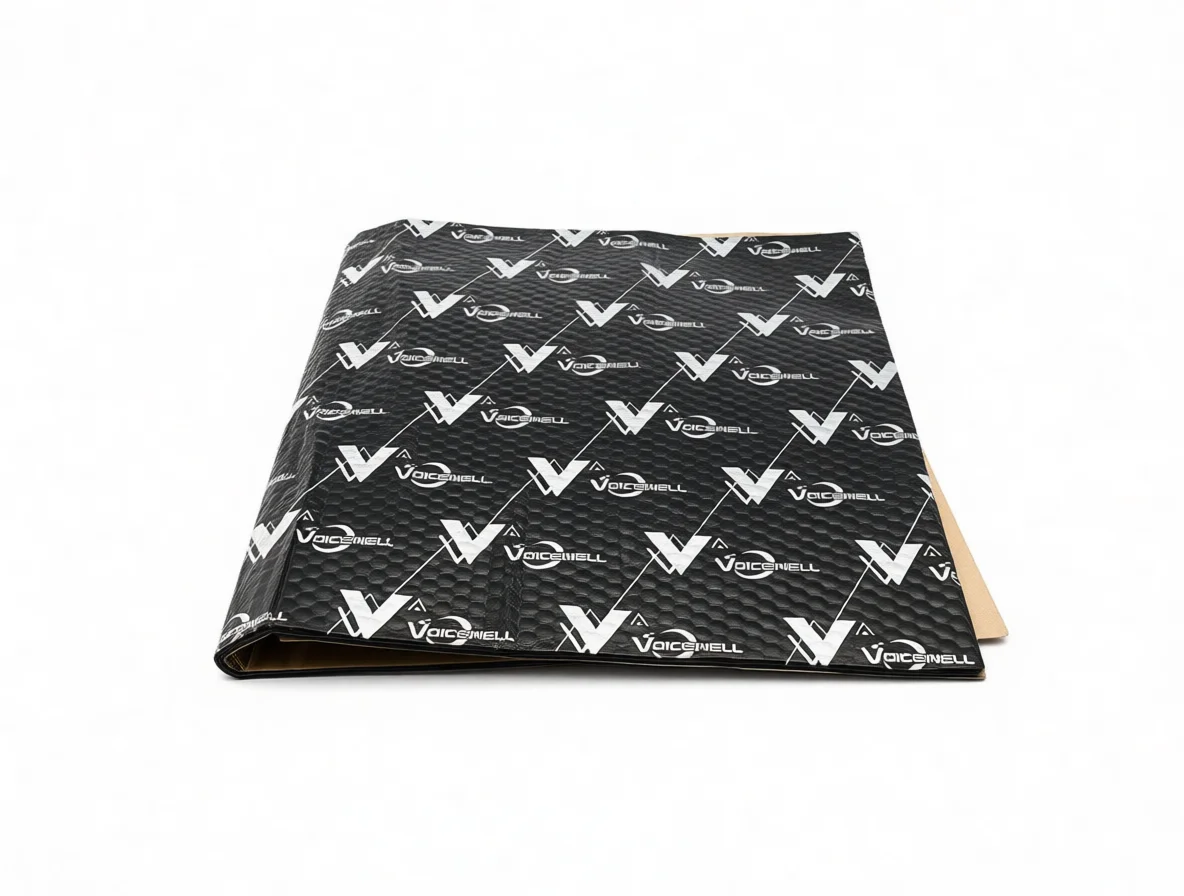
The pursuit of Noise, Vibration, and Harshness (NVH) excellence has transitioned from a luxury preference to a fundamental engineering requirement in the modern era of transportation. As the automotive industry pivots toward electrification and the aerospace sector pushes for lighter, more fuel-efficient airframes, the acoustic environment has become a battleground for brand identity and passenger comfort. Central to this evolution is the strategic implementation of the composite damping sheet for NVH Amalys. These advanced materials are no longer simple adhesive patches; they are sophisticated, multi-functional barriers designed to neutralize kinetic energy and provide a serene sanctuary amidst the mechanical chaos of high-speed travel.
The Silent Revolution: Composite Damping Sheet for NVH Amalys
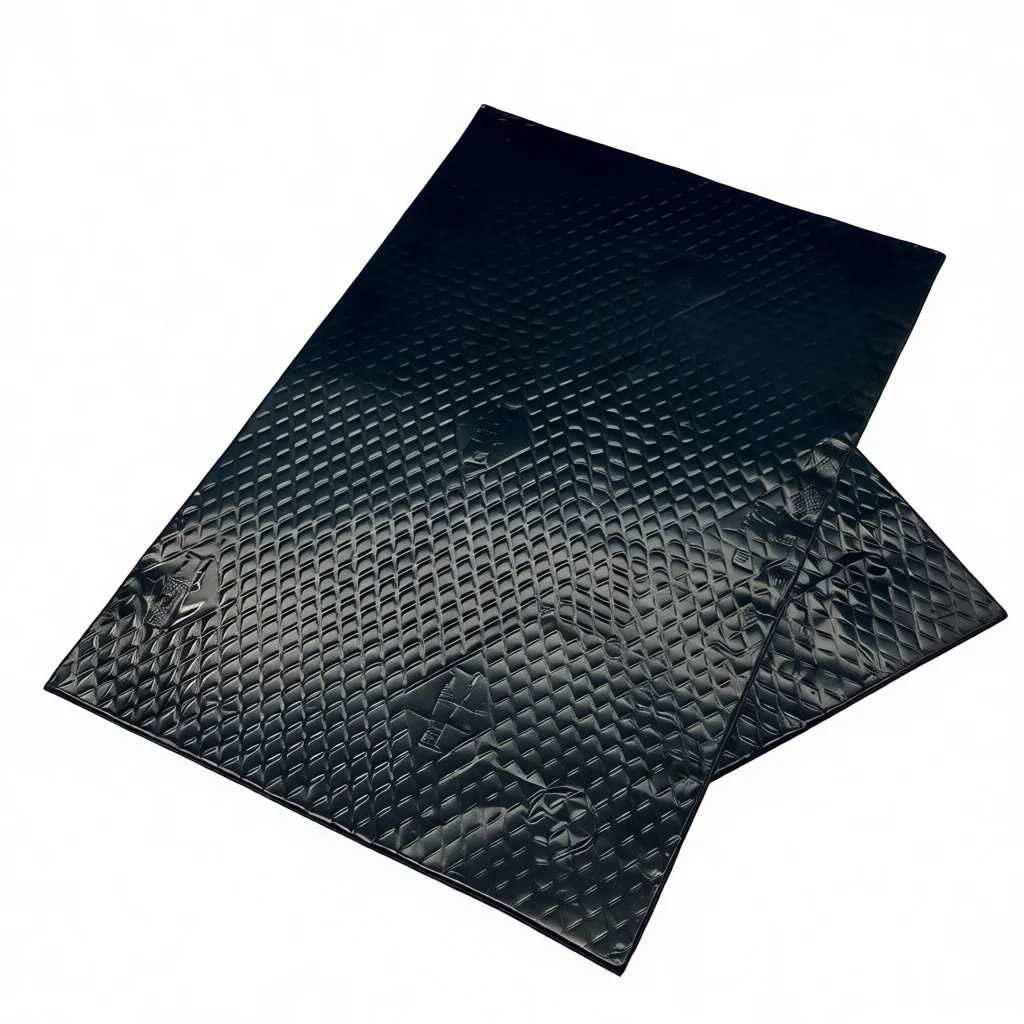
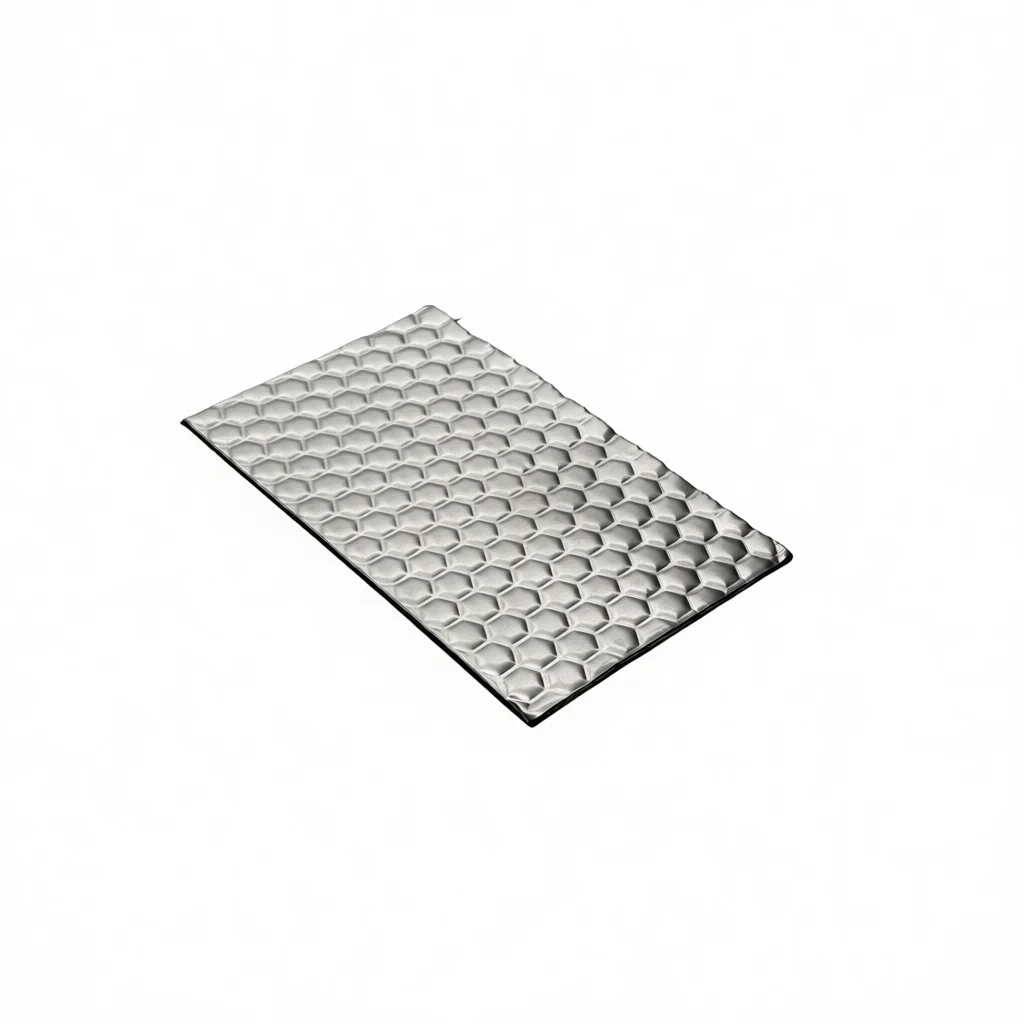
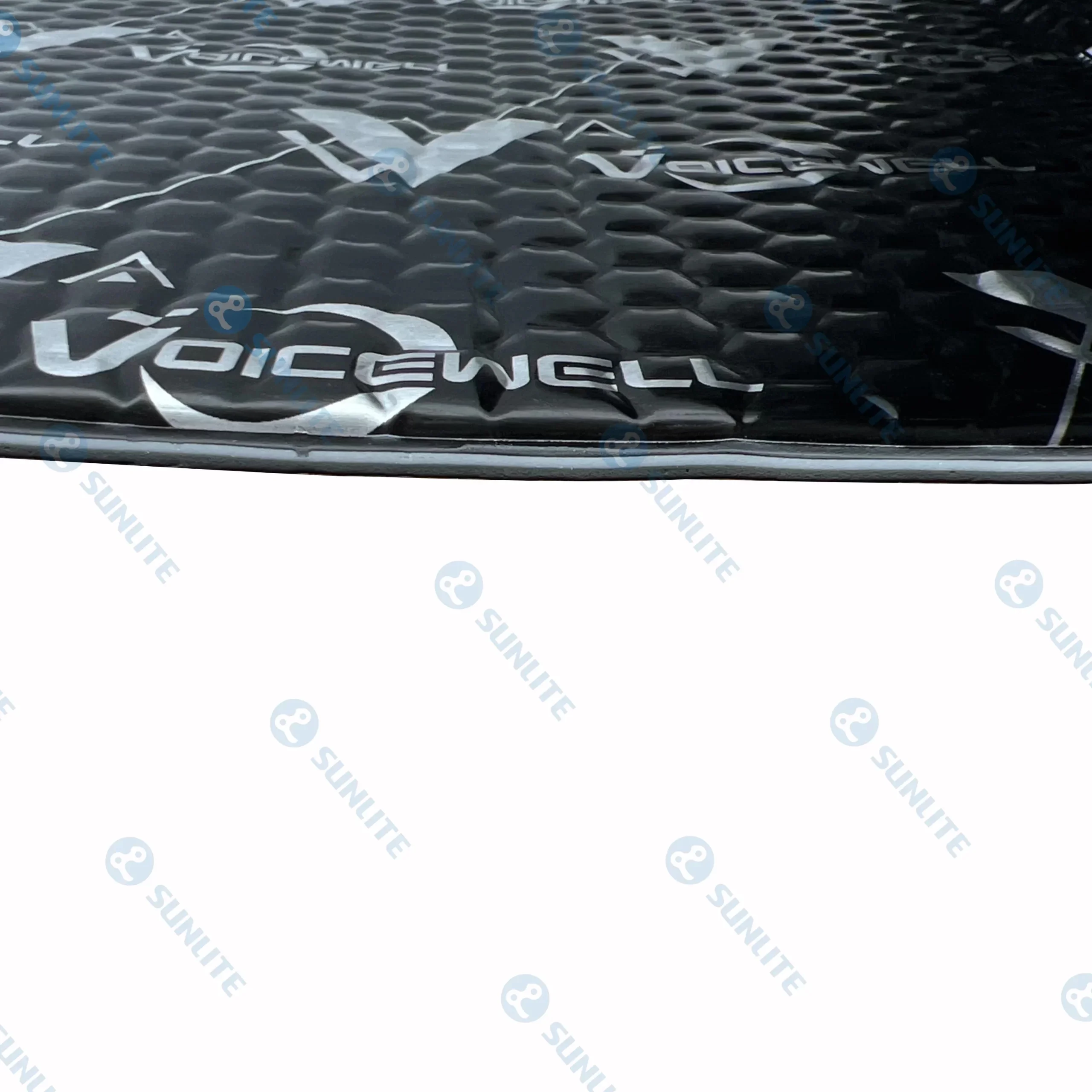
In traditional vehicle design, the primary method for controlling noise was the use of heavy mass barriers. However, as the industry prioritizes "light-weighting," mass-heavy Çözgütler are becoming obsolete. The composite damping sheet for NVH Amalys offers a high-performance alternative that relies on material science rather than sheer weight. These sheets are engineered to adhere to thin-gauge metal or carbon fiber panels, fundamentHemmesiy altering the way these surfaces respond to vibrational input.
When an automotive floor pan or an aircraft fuselage section is subjected to mechanical excitation, it naturHemmesiy wants to oscillate at its resonant frequency. The composite sheet works by creating a constrained layer effect. By bonding a high-density, energy-absorbing layer between the structural substrate and a rigid constraining foil, the sheet forces the damping medium into a state of high shear strain. This molecular-level friction converts the vibrational energy into negligible heat, effectively "muting" the metal and Beýan etenting the cabin from becoming a sounding board for engine or road noise.
Engineering Precision with the High-performance NVH Multilayer Damper
In the aerospace sector, where vibration can lead to both passenger discomfort and long-term structural fatigue, the demand for precision is paramount. The high-performance NVH multilayer damper is the Çözüw of choice for critical junctions, such as engine mounts, avionics bays, and hydraulic lines. These dampers are constructed using a hierarchy of materials, each tuned to Salgysy a specific frequency range.
The beauty of a high-performance NVH multilayer damper lies in its broadband efficacy. While single-layer materials often have a narrow "sweet spot" where they are most effective, the multilayer approach ensures that both low-frequency rumbles and high-frequency whines are intercepted. This is particularly vital in electric vehicles, where the absence of a loud internal combustion engine makes Öňkily "hidden" noises—such as wind whistle or tire hum—much more noticeable. By implementing these multilayer systems, engineers can create a balanced acoustic profile that feels natural and premium.
Structural Integration through the Multi-layer Composite High Damping Plate
As we move toward more integrated manufacturing processes, the industry is seeing a shift from "add-on" damping to "built-in" damping. This is where the multi-layer composite high damping plate becomes a game-changer. Rather than applying a damping sheet after a part is stamped, the damping properties are integrated into the structural material itself. These plates serve as the literal skeleton of the vehicle or aircraft components.
A multi-layer composite high damping plate is essentiHemmesiy a structural sandwich. It maintains the rigidity required to support mechanical loads while possessing the internal "give" necessary to absorb shock and vibration. In the automotive world, these plates are increasingly used in firewHemmesi assemblies and electric motor housings. In aerospace, they find a Öý in flooring panels and bulkheads. This integrated approach not only provides superior NVH results but also simplifies the assembly line and reduces the number of individual parts, contributing to a more efficient and sustainable manufacturing lifecycle.
Advanced Isolation via the Multilayer High-damping Vibration Damper
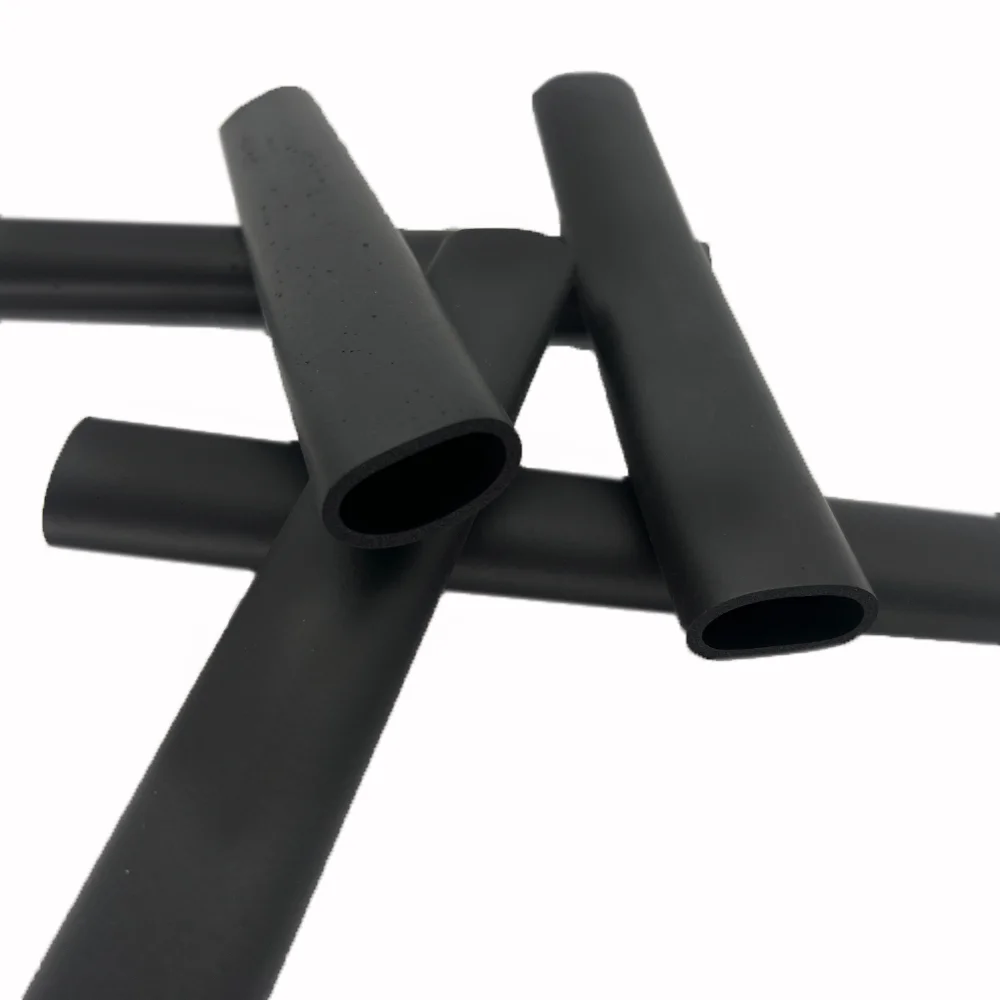
For sensitive onboard electronics and precision instrumentation, vibration is more than just a nuisance; it is a threat to functionality. The multilayer high-damping vibration damper is utilized to create "islands of stability" within the high-vibration environment of a moving vehicle or aircraft. These dampers act as mechanical filters, Hemmesiowing the structure to move while keeping the protected component perfectly still.
The design of a multilayer high-damping vibration damper often involves alternating layers of high-density elastomers and porous, energy-diffusing foams. This configuration exploits the principle of impedance mismatch. As a vibration wave attempts to pass through the damper, it encounters a series of boundaries where the material properties change abruptly. Each boundary reflects a portion of the energy back into the structure, while the internal viscoelastic layers absorb the rest. This ensures that delicate sensors, cameras, and flight control computers remain unaffected by the rhythmic pulses of the propulsion system or the turbulence of the atmosphere.
The Molecular Science of High-damping Viscoelastic Sandwich Material
The pinnacle of acoustic engineering today is found in the chemistry of the high-damping viscoelastic sandwich material. Viscoelasticity is a unique physical property where a material behaves as both a solid and a liquid simultaneously. When it is deformed by vibration, it does not bounce back like a spring; it flows slowly, dissipating the energy through molecular friction.
By "sandwiching" this viscoelastic core between two rigid skins—typicHemmesiy aluminum or high-strength steel—manufacturers create a material that is quiet by nature. The high-damping viscoelastic sandwich material is the ultimate defense against "structure-borne" noise. Because the energy is absorbed within the material’s own core, the noise cannot travel through the frame to reach the passenger's ears. This technology is being widely adopted in high-speed rail, luxury sedans, and the Indiki generation of urban air mobility (UAM) vehicles, where maintaining a quiet environment is a key competitive differentiator.
The pursuit of Noise, Vibration, and Harshness (NVH) excellence has transitioned from a luxury preference to a fundamental engineering requirement in the modern era of transportation.